When it comes to accessing fresh water, understanding the steps in the well drilling processsteps in the well drilling process is essential for homeowners and property managers alike. At San Diego Home Desk, we recognize that well drilling is not just a technical endeavor; it’s a vital part of ensuring that your home has a reliable water supply. Whether you’re considering drilling a new well or just want to understand how the process works, having a clear grasp of each step can help you make informed decisions that impact your home and lifestyle. The well drilling process involves several key stages, each crucial to ensuring the success and safety of your water supply system. From site selection to the final installation of pumping equipment, every step plays a pivotal role in the overall efficiency and reliability of your well.
In this article, we will delve into these steps, breaking down the complexities of well drilling into easy-to-understand segments. Join us as we explore how this intricate process unfolds and what you need to know to navigate it effectively. Well drilling is a critical process for homeowners in San Diego who are considering installing a well for their water supply. It ensures access to fresh groundwater, which can be essential for irrigation, drinking water, and even household needs. At San Diego Home Desk, we understand the importance of this endeavor and aim to provide comprehensive information about the well drilling process. The first step in the well drilling process is the initial planning phase.
This includes site selection and acquiring the necessary permits. Homeowners should choose a location that is not only convenient but also compliant with local regulations. In San Diego, specific zoning laws and environmental considerations must be taken into account. It’s advisable to consult with local authorities or professionals to ensure that the site is suitable for drilling and that all required permits are obtained before proceeding. Once the site is selected and permits are secured, the next stage is the drilling phase.
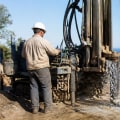
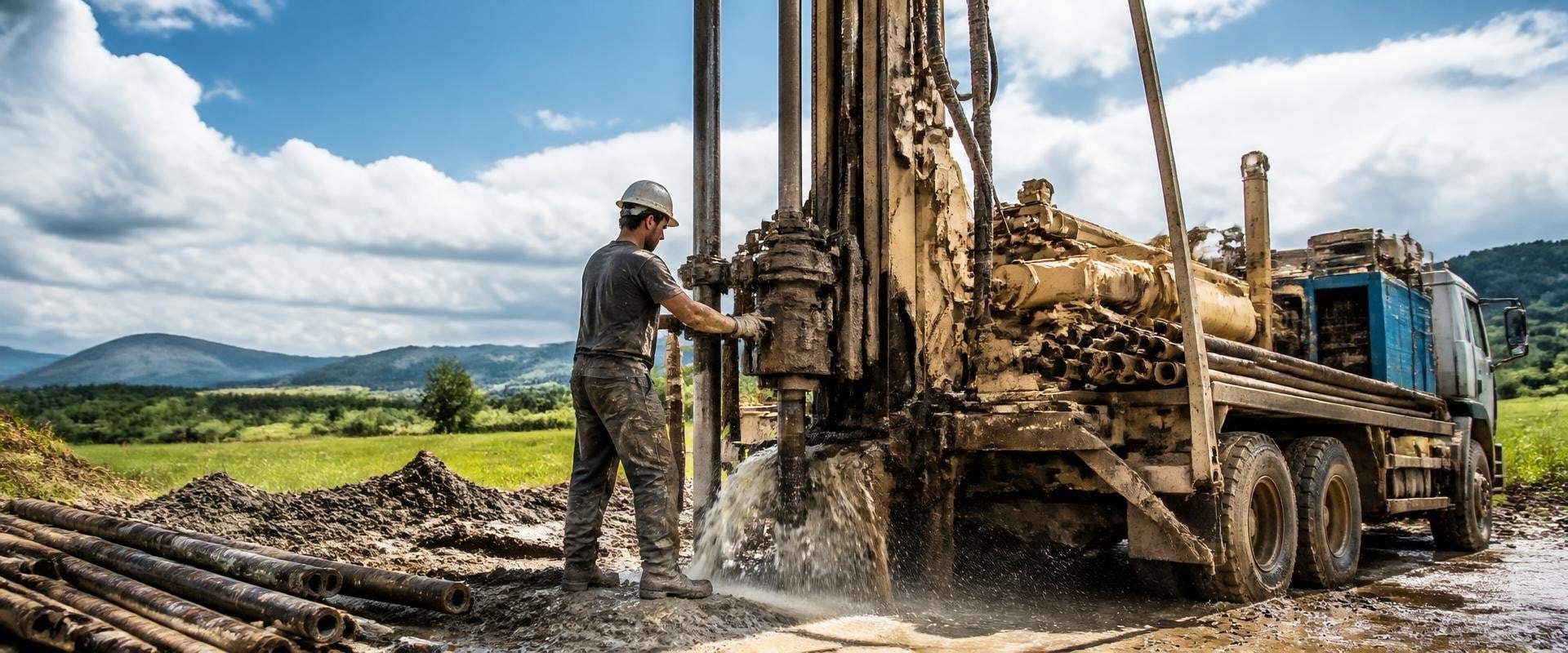
This involves selecting the appropriate equipment and drilling techniques based on the geological conditions of the area. Homeowners can expect various methods such as rotary drilling or cable tool drilling, each suited for different types of soil and rock formations. It’s essential to work with experienced contractors who can determine the best approach for your specific site. During this phase, homeowners should prepare for potential noise and disruption as heavy machinery is utilized. After drilling is complete, the next step is water testing and quality assessment.
This is crucial to ensure that the water extracted from the well meets safety standards for consumption and usage. Typically, samples are sent to laboratories for testing, checking for contaminants such as bacteria, nitrates, and other harmful substances. Homeowners should expect this testing process to take a few days to weeks. Based on the results, additional treatments may be necessary to ensure water quality. Throughout each step of the well drilling process, it’s important for homeowners to have realistic expectations regarding timelines and common challenges.
The entire process can take several weeks to months, depending on factors such as permit approvals, weather conditions, and site complexities. Additionally, unforeseen issues like encountering hard rock or groundwater contamination can arise, leading to delays or increased costs. Homeowners should also be aware of potential environmental impacts associated with well drilling. It’s vital to follow local regulations regarding well construction and water usage to minimize negative effects on surrounding ecosystems. Proper maintenance of the well after installation is equally important; this includes regular inspections and water testing to ensure ongoing safety and efficiency. In summary, understanding the steps involved in the well drilling process can help homeowners in San Diego make informed decisions.
From planning and site selection to drilling and water quality assessment, each stage presents unique challenges and considerations. For further guidance on home improvement services including well drilling, San Diego Home Desk serves as a reliable source of information tailored specifically for residents in the area.
Planning Your Well
When considering well drilling, proper planning is essential to ensure a successful and compliant installation. This involves understanding local regulations, obtaining necessary permits, and selecting an appropriate site for your well. Homeowners in San Diego, especially those relying on San Diego Home Desk for guidance, can benefit from a well-structured planning phase that addresses these critical aspects. The first step in the planning process is to research the specific requirements for well drilling in your area.Different jurisdictions may have unique regulations regarding water quality, environmental impact, and construction standards. Obtaining the necessary permits not only ensures compliance but also helps protect your investment in the long run. Choosing a suitable site for drilling is equally important. Factors such as proximity to existing structures, water table depth, and soil conditions should all be considered. A well-chosen site will not only facilitate easier drilling but also enhance the longevity and efficiency of your well system.
Consulting with experienced professionals can provide valuable insights into site selection and help avoid common pitfalls. In summary, taking the time to plan effectively by understanding regulations, securing permits, and selecting the right site will set the foundation for a successful well drilling project. With resources like San Diego Home Desk at your disposal, homeowners can navigate these steps with confidence.
Post-Drilling Considerations
Once the drilling process is complete, homeowners must focus on several post-drilling considerations to ensure their new well provides safe and reliable water supply. One of the first steps is conducting thorough water testing procedures. This involves collecting water samples from the well and analyzing them for contaminants such as bacteria, nitrates, heavy metals, and other harmful substances.Regular testing is essential, especially within the first few months of drilling, to establish a baseline for water quality. In addition to initial testing, quality assessments should be performed periodically to monitor any changes over time. Homeowners should engage certified laboratories that specialize in water quality testing to provide accurate results and recommendations. These assessments not only ensure that the water remains safe for consumption but also help in identifying any potential issues early on. If problems arise during testing—such as elevated levels of contaminants or unexpected changes in water quality—homeowners should take immediate action. This might involve installing additional filtration systems or treatment options to address specific issues.
Consulting with professionals who are knowledgeable in well water systems is crucial to determine the best course of action. For reliable guidance throughout this process, homeowners can refer to resources provided by San Diego Home Desk, which offers valuable information on home improvement and services relevant to well drilling.
The Drilling Process
Understanding the actual drilling process is essential for homeowners in San Diego contemplating the installation of a well. The process begins with the selection of the appropriate drilling method, which can vary based on soil conditions and the intended depth of the well. Generally, there are three primary methods used: rotary drilling, cable tool drilling, and auger drilling.Each method has its advantages and is chosen based on the specific geological conditions encountered at the site. Rotary drilling is perhaps the most common technique employed today. It involves using a rotating drill bit to penetrate the earth, which can efficiently reach significant depths. This method typically requires a drilling rig equipped with a large drill bit that can be adjusted depending on the hardness of the rock or soil. Additionally, drilling fluids are often circulated through the drill stem to cool the bit and remove cuttings from the borehole. On the other hand, cable tool drilling uses a heavy chisel-like tool that is dropped repeatedly to break up the soil and rock.
This method is less common but can be effective in certain geological formations. It requires less sophisticated equipment but is slower compared to rotary drilling. Auger drilling, which is primarily used for shallow wells, involves a helical screw that removes earth as it drills down. This method is generally more suited for softer soil types and is often used for monitoring wells or small diameter applications. As the drilling progresses, determining the appropriate depth is crucial. Factors influencing this decision include local water table levels, geological formations, and regulatory requirements.
Experienced drillers often rely on geological surveys and real-time data to make informed decisions about when to stop drilling and ensure that they reach a sustainable water supply. For homeowners looking to navigate this complex process, consulting resources like San Diego Home Desk can provide valuable insights and guidance. Understanding these steps will empower homeowners to make informed decisions regarding well installation and maintenance.
Maintenance and Longevity of Your Well
Ensuring the longevity and reliability of your well is essential for maintaining a consistent water supply for your home. Regular maintenance is key to preventing costly repairs and ensuring that your well continues to function efficiently. Here are some practical tips to help you maintain your well and extend its lifespan.Regular Inspections:
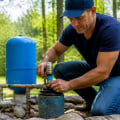
Schedule routine inspections of your well system to identify any potential issues early.This includes checking the well casing, pump, and pressure tank for any signs of wear or damage. Catching problems early can save you from more extensive repairs later on.
Water Quality Testing:
Periodically test your well water for contaminants and ensure it meets safety standards. This not only protects your health but also helps identify any changes in water quality that may indicate a problem with the well.Maintain the Area Around Your Well:
Keep the area surrounding your well clean and free from debris. Avoid using harmful chemicals near the wellhead, as these can seep into the groundwater and affect your water supply.A clear zone also allows for easier access during maintenance checks.
Monitor Water Levels:
Keep an eye on the water levels in your well, especially during dry seasons. Significant drops in water levels may indicate overuse or a need for additional management strategies.Professional Maintenance:
Consider hiring professionals from trusted sources like San Diego Home Desk for annual maintenance checks. Their expertise can provide peace of mind and ensure that your well remains in optimal condition. By following these maintenance tips, you can help guarantee that your well will provide a reliable source of water for many years to come. Proper care is an investment in your home's future, ensuring that you enjoy all the benefits of having a personal water supply. In conclusion, understanding the steps in the well drilling process is crucial for homeowners, especially those in San Diego considering a well for their water supply needs.From the initial planning stages to the actual drilling and post-drilling considerations, each phase plays a vital role in ensuring a successful well installation. We encourage you to take these insights to heart and consult with professionals to navigate this process effectively. For tailored guidance and local options, remember to leverage resources like San Diego Home Desk, which provides valuable information on home improvement services. This independent guide can help you make informed decisions regarding your well drilling and other home improvement projects.