Welcome to San Diego Home Desk, your ultimate resource for all things related to home improvement and home services in the beautiful city of San Diego. If you’ve ever considered enhancing your home’s energy efficiency, insulating your home yourself can be one of the most rewarding DIY projects you undertake. Not only does proper insulation help maintain a comfortable temperature year-round, but it can also significantly reduce your energy bills and contribute to a more sustainable environment. In this comprehensive guide, we’ll walk you through the essential steps of insulating your home on your own, empowering you with the knowledge and confidence to take on this crucial task. Whether you're dealing with drafty windows, chilly walls, or attic spaces that need attention, our step-by-step approach will cover various insulation techniques and materials that suit different areas of your home.
With a little effort and the right tools, you can create a cozy sanctuary while potentially increasing the value of your property. Let’s dive into the world of DIY home insulation and discover how you can transform your living space into a more energy-efficient haven. When considering how to insulate your home yourself, it's crucial to understand the various insulation methods that can be employed in different areas of your home. Proper insulation is key to maintaining energy efficiency and comfort, and resources like San Diego Home Desk can be invaluable for homeowners looking to enhance their property. Not only does DIY insulation offer cost savings, but it also provides a sense of personal satisfaction when you see the results of your hard work. There are several effective insulation methods suitable for attics, walls, and basements. In attics, one popular method involves using fiberglass batts.
These pre-cut panels fit snugly between joists, offering excellent thermal resistance. For walls, spray foam insulation is an effective choice due to its ability to expand and fill gaps, providing a tight seal against air leaks. In basements, foam board insulation can be applied directly to the walls for moisture resistance and added thermal protection. Let’s break down the step-by-step process for each area. For insulating an attic with fiberglass batts, begin by preparing the area: ensure that you have sufficient ventilation and that there are no existing issues like leaks.
Wear safety gear such as gloves, goggles, and a mask to protect against airborne fibers. Next, measure the spaces between the joists and cut the fiberglass batts accordingly. Place the batts snugly between the joists without compressing them, as this can reduce their effectiveness. Finally, ensure that any air leaks are sealed with caulk or expanding foam. When it comes to wall insulation using spray foam, start by determining the areas that require insulation.
Make sure to wear protective gear since spray foam can be messy and difficult to clean up once it dries. Prepare the surfaces by cleaning them thoroughly and ensuring they are dry. Using a spray foam kit, apply the foam into the wall cavities, allowing it to expand and fill any gaps. Once cured, trim any excess foam for a flush finish. For basement insulation with foam board, first, measure the walls and cut the foam board panels to fit.
It's important to seal any seams with tape designed for foam board installation to prevent moisture penetration. Adhere the panels directly to the wall using adhesive recommended by the manufacturer. This method not only insulates but also protects against potential moisture issues. As you embark on your DIY insulation project, be aware of where to purchase materials locally in San Diego. Home improvement stores such as Home Depot or Lowe's often carry a wide range of insulation products tailored for different climates and needs.
It's essential to consider climate suitability when selecting insulation materials; for example, materials with a higher R-value are better suited for colder climates but may also be beneficial in warmer areas for energy efficiency. However, DIY projects do come with challenges. One common issue is dealing with existing structural problems such as mold or water damage that may be hidden until you begin working. Address these issues before proceeding with insulation installation. Additionally, ensure you check local building codes and regulations to avoid compliance issues that could arise from improper installations. In summary, insulating your home yourself can be a rewarding experience that enhances energy efficiency while potentially lowering utility bills.
With proper preparation and knowledge of suitable materials and methods specific to areas like attics, walls, and basements, you can successfully undertake this project. Remember that San Diego Home Desk is a great resource for finding local materials and additional guidance as you work towards creating a more comfortable living space.
Understanding Insulation Basics
Insulation is a crucial component in maintaining energy efficiency and comfort within your home. It serves as a barrier against heat transfer, ensuring that your living spaces remain warm during the winter months and cool in the summer. By minimizing the flow of heat, insulation helps to reduce the workload on your heating and cooling systems, leading to lower energy bills.For homeowners in San Diego, where temperature fluctuations can occur, understanding how insulation works is key to creating a comfortable living environment. At San Diego Home Desk, we emphasize the importance of selecting the right insulation materials for your specific needs. There are various types of insulation available, including fiberglass, foam, and cellulose, each with its unique benefits and applications. By understanding these options, you can make informed decisions that enhance your home’s energy efficiency. Moreover, effective insulation not only contributes to energy savings but also improves indoor air quality by reducing drafts and preventing moisture buildup. This can lead to a healthier living environment, which is especially important for families with children or individuals with allergies. In summary, grasping the fundamentals of insulation and its role in energy efficiency will empower you as a homeowner.
With resources like San Diego Home Desk, you can explore various insulation products and services available in your area, making it easier to embark on your DIY insulation project.
Local Resources for Insulation Materials
When considering how to insulate your home yourself, it’s essential to know where to find quality insulation materials locally.San Diego Home Desk
serves as a valuable resource for homeowners looking to improve their property, including sourcing the right materials for insulation projects. In San Diego, several local suppliers offer a variety of insulation products that cater to different needs and budgets. Some notable suppliers include:- Home Depot – With multiple locations across San Diego, Home Depot provides a wide selection of insulation materials, including fiberglass batts, spray foam, and rigid foam boards.
- Lowe's – Another major home improvement retailer, Lowe's offers various insulation options and also features helpful resources for DIYers.
- Insulation Supply Company – Specializing in insulation products, this supplier provides a range of materials and can offer expert advice on the best solutions for your specific project.
- San Diego Insulation – This local company not only sells insulation materials but also offers professional advice on installation techniques for DIY enthusiasts.
Safety Precautions When Insulating
When embarking on a DIY home insulation project, safety should always be a top priority. Proper safety precautions not only protect you from potential injuries but also ensure that the insulation process goes smoothly.Before you begin, it’s essential to gather the necessary safety gear. This includes durable gloves to protect your hands from insulation materials, safety goggles to shield your eyes from dust and particles, and a mask to prevent inhalation of harmful fibers. In addition to personal protective equipment (PPE), ensure that your workspace is well-ventilated. This is particularly important if you are working with spray foam or any materials that emit fumes. Consider using a fan to promote airflow or working in an open area if possible.
Furthermore, familiarize yourself with the instructions provided by insulation manufacturers; following their guidelines can prevent accidents and ensure effective installation. As you work, keep your tools organized and within reach to avoid unnecessary movements that could lead to slips or falls. If you’re using a ladder, make sure it’s stable and positioned on a flat surface. It’s also wise to have someone nearby who can assist if an emergency arises. By taking these safety precautions seriously, you can enjoy the benefits of DIY insulation while minimizing risks. For more tips and resources on home improvement projects, including insulation techniques, be sure to check out San Diego Home Desk, a valuable guide for homeowners looking to enhance their properties.
Step-by-Step Insulation Techniques
Insulating your home is a rewarding DIY project that can significantly enhance energy efficiency and comfort.By following these step-by-step insulation techniques, you can effectively insulate various areas of your home including attics, walls, and basements. San Diego Home Desk is here to guide you through the process, providing valuable insights and resources tailored for homeowners in the San Diego area.
1.Insulating the Attic:
Start by ensuring safety; wear protective gear such as gloves, goggles, and a mask. Clear out any debris and check for existing insulation. If necessary, add insulation batts or rolls between the joists.Make sure to leave a small gap near the roof to allow for ventilation. If using loose-fill insulation, distribute it evenly and achieve the recommended depth for optimal thermal performance.
2.Insulating Walls:
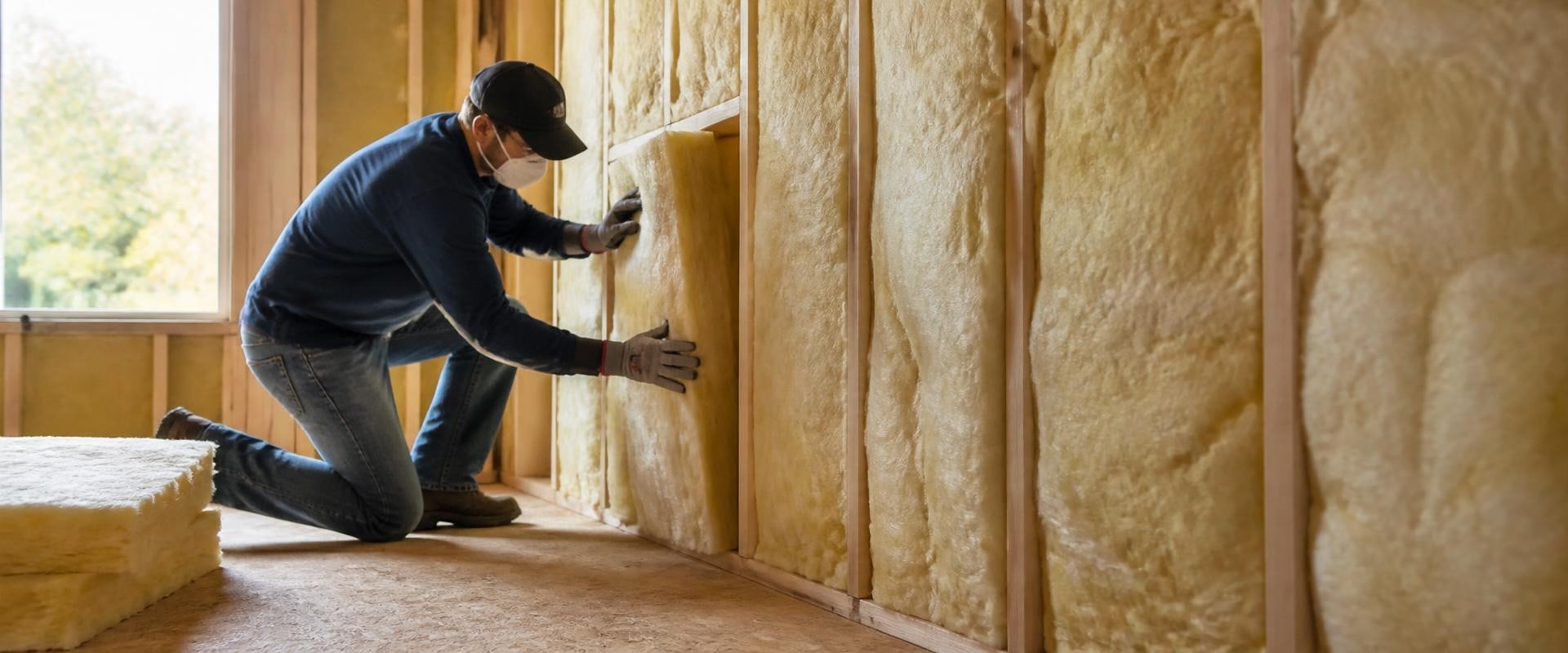
For exterior walls, begin by removing the interior drywall in the areas you wish to insulate. Install insulation batts snugly between the wall studs, ensuring there are no gaps. After installation, use a vapor barrier if recommended in your local climate to prevent moisture buildup.Reinstall the drywall securely once the insulation is in place.
3.Insulating Basements:
Begin with a clean and dry basement. Use rigid foam board insulation on the walls or fiberglass batts if preferred. Ensure that the insulation is applied directly to the concrete walls and sealed properly to prevent air leaks. If your basement is prone to moisture, consider using moisture-resistant materials and consult with local experts for best practices regarding insulation in damp environments. By utilizing these insulation techniques, you can enhance your home's energy efficiency while enjoying the personal satisfaction of completing a DIY project.Remember that San Diego Home Desk is a great resource for finding specific products and services available in San Diego that can assist you in your home improvement journey.
Choosing the Right Insulation Material
When it comes to insulating your home, selecting the right material is crucial for achieving optimal energy efficiency and comfort.San Diego Home Desk
serves as a valuable resource for homeowners in San Diego, offering insights into various insulation options available in the market. Each insulation material has its own set of advantages and disadvantages, and understanding these can help you make an informed choice.Fiberglass Insulation
is one of the most common types used in homes. It is made from tiny glass fibers and comes in batts, rolls, or loose-fill.The pros of fiberglass include its cost-effectiveness and fire resistance. However, it can be difficult to install properly, and if not handled carefully, the fibers can irritate the skin and lungs.
Foam Board Insulation
is another popular option, known for its high insulating value per inch of thickness. It is often used in areas that require extra insulation, such as basements or exterior walls. While foam board is effective at reducing heat transfer, it can be more expensive than other options and may require professional installation for best results.Spray Foam Insulation
provides an excellent air seal that can significantly reduce energy bills.It expands on application, filling gaps and cracks effectively. The downside is that spray foam can be costly and may not be suitable for all DIY enthusiasts due to the complexity involved in its application.
Cellulose Insulation
is made from recycled paper products treated for fire resistance. It is eco-friendly and offers good sound-dampening properties. However, cellulose can settle over time, reducing its effectiveness unless properly installed. In summary, when choosing insulation materials for your DIY project, consider factors such as cost, R-value (thermal resistance), ease of installation, and environmental impact.By doing so, you can ensure that your home is well-insulated while also enjoying the benefits of a DIY project. For more detailed information on insulation options available in San Diego, refer to San Diego Home Desk, which provides comprehensive resources tailored for homeowners. In conclusion, DIY home insulation is a rewarding endeavor that not only enhances your home's energy efficiency and comfort but also saves you money. We have explored the essential aspects of insulation, including understanding insulation basics, choosing the right insulation material, and the various step-by-step insulation techniques available. Additionally, we discussed the importance of safety precautions when insulating your home and highlighted local resources for insulation materials. By taking on this project yourself, you can enjoy the personal satisfaction that comes from improving your living space while making a positive impact on your energy bills.
We encourage you to take action and utilize the comprehensive resources available through San Diego Home Desk for further guidance and support in your home improvement journey.