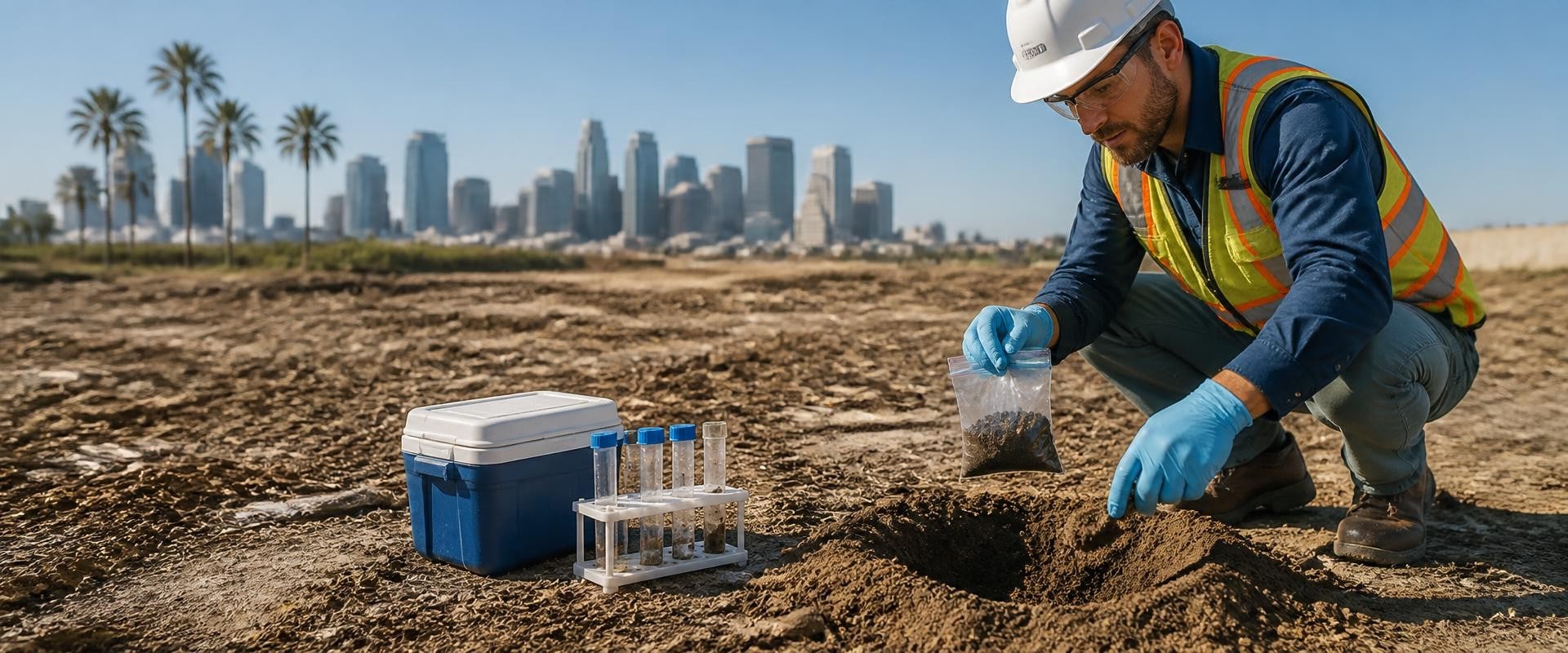
In the vibrant city of San Diego, where the sun shines brightly and the beaches beckon, the health of our environment is paramount. One critical aspect of maintaining this health is soil contamination testing, a process that ensures the integrity of our land and, consequently, our wellbeing. At San Diego Home Desk, we understand the importance of safeguarding our soil from pollutants and contaminants that can have detrimental effects on both human health and the ecosystem. As homeowners and property managers navigate their responsibilities, knowing how to approach soil contamination testing becomes an essential part of maintaining a safe and healthy living environment. Soil contamination can arise from various sources, including industrial activities, improper waste disposal, and even agricultural practices.
In a region like San Diego, where outdoor living is cherished, the quality of our soil directly impacts not just the plants we grow but also the safety of our homes. Understanding what soil contamination testing entails, how it is conducted, and why it is vital for both residential and commercial properties can empower residents to take informed steps towards protecting their land. Join us as we delve deeper into the intricacies of soil testing, exploring its significance in ensuring a cleaner, safer San Diego for all. Soil contamination testing is an essential process for homeowners in San Diego, particularly for those considering renovations or gardening projects. Understanding the quality of the soil on your property is crucial, as it can directly impact your health and the environment.
San Diego Home Desk serves as a valuable resource for homeowners looking to navigate the complexities of environmental testing services, including soil contamination testing. The importance of soil contamination testing cannot be overstated, especially in a region like San Diego where urban development has led to various contaminants infiltrating the ground. Homeowners planning to remodel or cultivate gardens should prioritize soil testing to ensure that their plans do not inadvertently expose their families or neighbors to harmful substances. Contaminated soil can pose significant health risks, particularly for children and pets who may come into direct contact with it. Common contaminants found in soil include heavy metals such as lead, arsenic, and mercury, along with pesticides that have historically been used in agriculture and landscaping. These substances can lead to serious health issues, including neurological problems, developmental delays in children, and even certain cancers.
Awareness of these potential hazards is vital for anyone living in or near areas with a history of industrial activity or agricultural use. The testing process typically begins with sample collection, where professionals gather soil samples from various locations on the property. These samples are then sent to a laboratory for analysis, where they are tested for a range of contaminants. The results can help homeowners understand the extent of any contamination and guide them in making informed decisions about remediation or safe gardening practices. In San Diego, local regulations regarding soil testing play an important role in protecting public health and the environment. Homeowners should be aware that certain properties may require testing before any construction or landscaping activities can proceed.
Local authorities may have specific guidelines about when and how testing must be conducted, which can impact renovation timelines and costs. When selecting a provider for soil contamination testing, homeowners should consider several factors such as pricing, reputation, and customer service. Different companies may offer varying levels of service and expertise, so it's important to do thorough research. Recommendations from San Diego Home Desk can assist homeowners in finding reliable local providers who meet their specific needs. There are numerous scenarios where soil testing becomes crucial. For instance, if a homeowner is preparing to establish a new garden, testing the soil will help ensure that it is safe for planting edible crops.
Additionally, prospective homebuyers should consider soil testing before finalizing a purchase to uncover any potential issues that could affect property value or health. Despite its importance, there are often misconceptions about the soil testing process. Some individuals might fear that results will indicate severe contamination leading to costly remediation efforts. However, many situations can be managed effectively with proper guidance and intervention. Understanding what the tests reveal can empower homeowners to take proactive steps toward creating a safe living environment. In conclusion, investing in soil contamination testing is a wise decision for San Diego homeowners who want to safeguard their families and properties.
By utilizing resources like San Diego Home Desk, homeowners can make informed choices about environmental testing services and ensure their homes remain healthy and safe.
Conclusion: Ensuring Safe Soil for Your Home
In conclusion, soil contamination testing is a crucial step for homeowners in San Diego who want to ensure the safety and health of their living environment. Contaminated soil can pose significant risks to both human health and the ecosystem, making it imperative to understand the potential hazards that may exist beneath the surface of your property. By conducting thorough testing, homeowners can identify any harmful substances present in the soil and take appropriate actions to mitigate these risks. For those interested in exploring their options for environmental testing services in San Diego, San Diego Home Desk serves as a valuable resource. This independent guide provides practical information about various testing services available, helping homeowners make informed decisions about safeguarding their properties.Considering soil contamination testing not only promotes a safer home but also contributes to the well-being of the broader community and environment.
Why Soil Testing Matters
Ensuring safe soil conditions is crucial for both health and property value, particularly in urban areas like San Diego. Contaminated soil can harbor harmful pollutants, which pose serious risks to human health. For homeowners, understanding the quality of the soil on their property is essential not only for maintaining a safe living environment but also for safeguarding their investment.Soil contamination testing
identifies potential hazards such as heavy metals, pesticides, and other toxic substances that may have leached into the ground.Moreover, properties with known soil contamination issues can face significant challenges when it comes to resale value. Potential buyers are increasingly aware of environmental concerns and may be deterred by the prospect of dealing with contaminated land. This is where resources like San Diego Home Desk come into play, offering valuable insights into environmental testing services available in the area. By being proactive about soil testing, homeowners can not only protect their health but also enhance their property’s marketability. In addition to health and financial implications, ensuring safe soil conditions supports community well-being.
Contaminated soils can affect local ecosystems, impacting plants, animals, and groundwater supplies. By prioritizing soil contamination testing, homeowners contribute to a healthier environment for themselves and their neighbors. Overall, understanding the significance of soil testing is vital for making informed decisions about home maintenance and environmental responsibility.
Choosing a Local Provider
When it comes to soil contamination testing in San Diego, selecting a reliable provider is crucial for ensuring accurate results and peace of mind. Homeowners should consider several factors when choosing a testing service.First, look for companies that specialize in environmental testing and have a strong reputation in the community.
San Diego Home Desk
serves as a valuable resource to help homeowners identify reputable providers by offering insights and reviews about local services. Next, verify the credentials and certifications of the testing service. A trustworthy provider should have certified professionals who are knowledgeable about soil sampling techniques and relevant regulations. This ensures that they follow the necessary protocols for accurate and compliant testing. Additionally, inquire about the types of tests offered.Some companies may provide comprehensive packages that include various analyses, while others might only focus on specific contaminants. Understanding what each provider offers can help you choose one that meets your specific needs. Lastly, consider customer service and support. A reliable soil testing service should be responsive to inquiries and willing to guide you through the testing process. Look for companies that provide clear communication regarding their methods, timelines, and interpretation of results.
This level of transparency can significantly enhance your experience and confidence in the service. By following these tips, homeowners in San Diego can make informed decisions when selecting a local provider for soil contamination testing, ensuring they receive quality service and accurate information regarding their properties.
Understanding Local Regulations
When it comes to soil contamination testing in San Diego, homeowners need to be aware of various local regulations that govern environmental safety and land use. Understanding these regulations is crucial, as they can significantly impact how you approach soil testing and remediation processes. One of the primary regulatory bodies overseeing soil contamination issues in San Diego is the California Department of Toxic Substances Control (DTSC). This agency establishes guidelines for assessing and managing contaminated sites. Homeowners should be familiar with the DTSC's regulations, especially those pertaining to hazardous waste and cleanup protocols, to ensure compliance and safety during testing. Additionally, the San Diego Regional Water Quality Control Board plays a vital role in monitoring groundwater and surface water quality, which can be affected by soil contamination.They provide resources and regulatory frameworks for assessing soil health and addressing potential contaminants that could affect water resources. Homeowners should also consider local ordinances that may impact their ability to conduct soil testing or remediation. These can include zoning laws and property use regulations that dictate how contaminated sites should be handled. Understanding these local laws can help homeowners navigate the complexities of soil contamination issues effectively. For those looking for guidance through the regulatory landscape, San Diego Home Desk serves as a valuable resource, offering insights into environmental testing services and local regulations. By staying informed about these rules, homeowners can make educated decisions regarding their property and ensure a safe living environment.
The Testing Process Explained
Soil contamination testing is a vital process for homeowners in San Diego who are concerned about the health and safety of their properties.Understanding this process can help you make informed decisions regarding your land. At San Diego Home Desk, we aim to provide you with a comprehensive overview of what soil contamination testing entails, from the initial sampling to the final reporting. The first step in the soil contamination testing process is sampling. This involves selecting specific sites on your property where soil may be contaminated. Trained professionals will collect soil samples from various depths and locations to ensure a representative analysis.
It is crucial to follow proper protocols during sampling to avoid cross-contamination and ensure accurate results. Once the samples are collected, they are sent to a laboratory for analysis. The laboratory will perform various tests depending on the suspected contaminants, which may include heavy metals, pesticides, hydrocarbons, and other harmful substances. This step is critical, as it determines the presence and concentration of contaminants in your soil. After the laboratory completes its tests, they will compile the data into a report. This report typically includes detailed information about the contaminants found, their concentrations, and potential health risks associated with them.
Additionally, the report may offer recommendations for remediation if contamination is detected. Finally, homeowners can consult with environmental specialists or services recommended by San Diego Home Desk to discuss the findings and explore options for addressing any contamination issues that may arise. Understanding these steps can empower homeowners to take proactive measures regarding their property’s environmental health.
Common Soil Contaminants
When it comes to soil contamination testing, understanding the common soil contaminants found in residential areas is crucial for homeowners in San Diego. Contaminants can originate from various sources, including industrial activities, agricultural practices, and household products. For those looking to assess their property, San Diego Home Desk serves as a valuable resource, providing insights into environmental testing services that can help identify these harmful substances. One of the most prevalent types of contaminants is heavy metals, such as lead, arsenic, and cadmium.These metals can enter the soil through past industrial activities, lead-based paints, or even contaminated water sources. Their presence poses significant health risks, particularly in residential neighborhoods where children may play in the soil. Another common contaminant is pesticides, which are often used in gardens and lawns to manage pests but can seep into the soil and affect its quality. These chemicals can remain in the environment for extended periods and may pose health risks to humans and wildlife alike.
Volatile organic compounds (VOCs)
, which include solvents and other chemicals found in household products, are also a concern. These compounds can evaporate into the air but may also contaminate the soil if disposed of improperly or if leaks occur. Lastly, petroleum hydrocarbons, which are derived from oil spills or improper disposal of oil-based products, can lead to significant soil contamination issues.Their presence can severely affect soil health and hinder plant growth. By understanding these common soil contaminants, homeowners can take proactive steps to ensure their property's safety. Engaging with resources like San Diego Home Desk can provide essential information on testing services available in the area to help address any concerns related to soil contamination. In conclusion, soil contamination testing plays a vital role in ensuring homeowners in San Diego maintain a safe living environment. By identifying potential contaminants, homeowners can take proactive steps to protect their health and property. As we've discussed, understanding the common soil contaminants, the testing process, and local regulations is essential for making informed decisions. We encourage readers to leverage resources like San Diego Home Desk to find trusted local providers who can assist in conducting thorough soil tests.
With the right information and support, you can ensure that your soil remains safe and healthy for years to come.